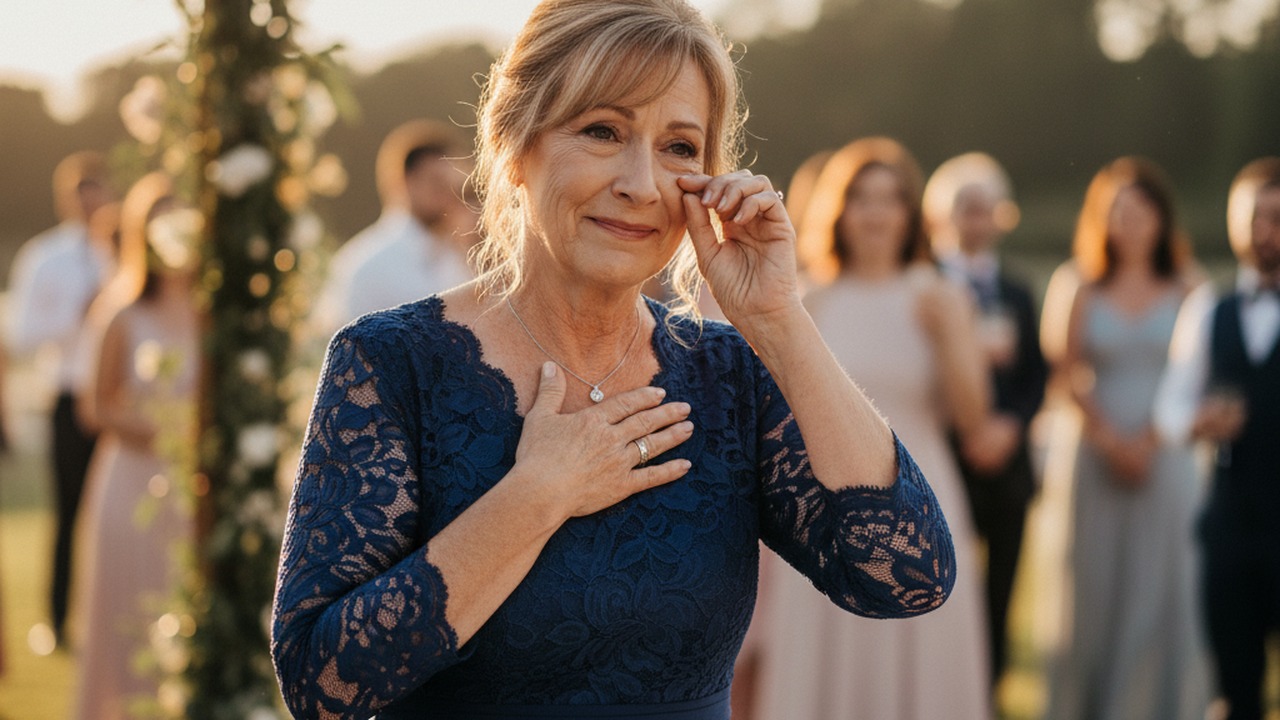
A 65-year-old woman collapsed into chest pain and shortness of breath hours after watching her daughter get married. Doctors ran the usual tests expecting a heart attack. Instead they found her heart muscle had temporarily stopped contracting normally, not from a clogged artery, but from a flood of joy.
The condition is called takotsubo cardiomyopathy, and for years it was known almost exclusively as broken heart syndrome, a stress-triggered weakening of the heart’s main pumping chamber that follows grief, fear, or a bad shock. But a specific subtype called happy heart syndrome shows the same mechanism can fire from the opposite direction. A wedding toast, a surprise party, a long-awaited reunion, and the heart responds as if it were under attack.
What actually happens inside the heart
In takotsubo cardiomyopathy, the left ventricle, the chamber responsible for pumping oxygenated blood to the rest of the body, suddenly balloons out at the tip while the base keeps contracting normally. On an echocardiogram the shape resembles a takotsubo, a round-bottomed pot Japanese fishermen once used to trap octopus, which is where the name comes from.
The distortion means the heart cannot pump efficiently, producing symptoms that mimic a classic heart attack: chest pain, breathlessness, and in more severe cases, fluid backing up into the lungs. Unlike a heart attack, the coronary arteries are typically clear.
Blood tests still show elevated cardiac enzymes, and the ECG often looks abnormal enough that cardiologists initially treat it as a full-blown coronary event until an angiogram rules out a blockage.
The discovery that joy could do this too
For most of takotsubo’s clinical history, the assumption was that only negative emotion could trigger it. That changed with an analysis of the International Takotsubo Registry, a multi-center database covering more than a thousand patients, led by Jelena Ghadri and Christian Templin at University Hospital Zurich. Their 2016 study in the European Heart Journal found that roughly 4% of takotsubo cases were triggered by an emotionally positive event rather than a negative one.
The trigger list included birthday parties, the birth of a grandchild, a favorite sports team winning a championship, and weddings. Clinically, the happy heart cases looked almost identical to the classic grief-triggered ones on imaging, with the same characteristic ballooning pattern.
The demographic profile matched too. The overwhelming majority of both happy heart and broken heart patients are postmenopausal women, a pattern researchers have linked to the loss of estrogen’s protective effect on blood vessels and the heart’s response to stress hormones.
Why the heart cannot tell joy from fear
The physiological reason a wedding and a car accident can produce the same cardiac event comes down to the body’s stress response, not the emotion attached to it. Both intense joy and intense fear trigger a surge of catecholamines, the hormones adrenaline and noradrenaline, released by the adrenal glands and nerve endings around the heart.
Foundational work from Ilan Wittstein and colleagues at Johns Hopkins, published in the New England Journal of Medicine, measured catecholamine levels in stress cardiomyopathy patients and found concentrations two to three times higher than in patients recovering from a severe heart attack. At that concentration, the hormones appear to temporarily stun the heart muscle itself, likely by overwhelming receptors in a way that disrupts normal calcium handling inside heart cells.
The nervous system does not distinguish a wedding speech from a home invasion at the level of raw hormonal output. Both register as an intense autonomic surge, and the heart bears the physical consequence either way.
Who is most vulnerable
Case reports and registry data consistently point to the same risk profile: women over 50, particularly those who are postmenopausal. Men account for well under a fifth of documented cases.
A prior history of anxiety or a neurological condition also appears to raise susceptibility, possibly because these patients already have a heightened baseline autonomic response. Researchers have also proposed that microvascular dysfunction, subtle impairment in the heart’s smallest blood vessels that is more common with age, may make the ventricle more reactive to a catecholamine surge.
None of this means weddings or celebrations are dangerous for most people. The absolute incidence remains low, and happy heart syndrome represents a small fraction of an already uncommon condition.
What recovery actually looks like
The defining feature of takotsubo cardiomyopathy, happy or otherwise, is that it is usually reversible. Most patients regain normal heart pumping function within a few weeks to two months, managed with the same supportive medications used for heart failure, such as beta blockers and ACE inhibitors, while the heart muscle recovers.
In-hospital mortality is comparable to a mild heart attack, and serious complications like cardiogenic shock or dangerous arrhythmias can occur in a minority of cases, which is why the initial presentation is treated with full emergency seriousness. Long-term, some registry follow-up data suggest a small subset of patients have lingering reduced heart function or a recurrence years later, underscoring that the event is not entirely without lasting risk.
The takeaway
The 65-year-old woman at her daughter’s wedding was not overreacting or imagining a symptom. Her heart briefly and measurably reshaped itself in response to a hormonal surge that her nervous system could not distinguish from danger.
That is the strange lesson embedded in happy heart syndrome. The organ that beats faster when you fall in love and faster when you are afraid is, physiologically, working from the same script either way.