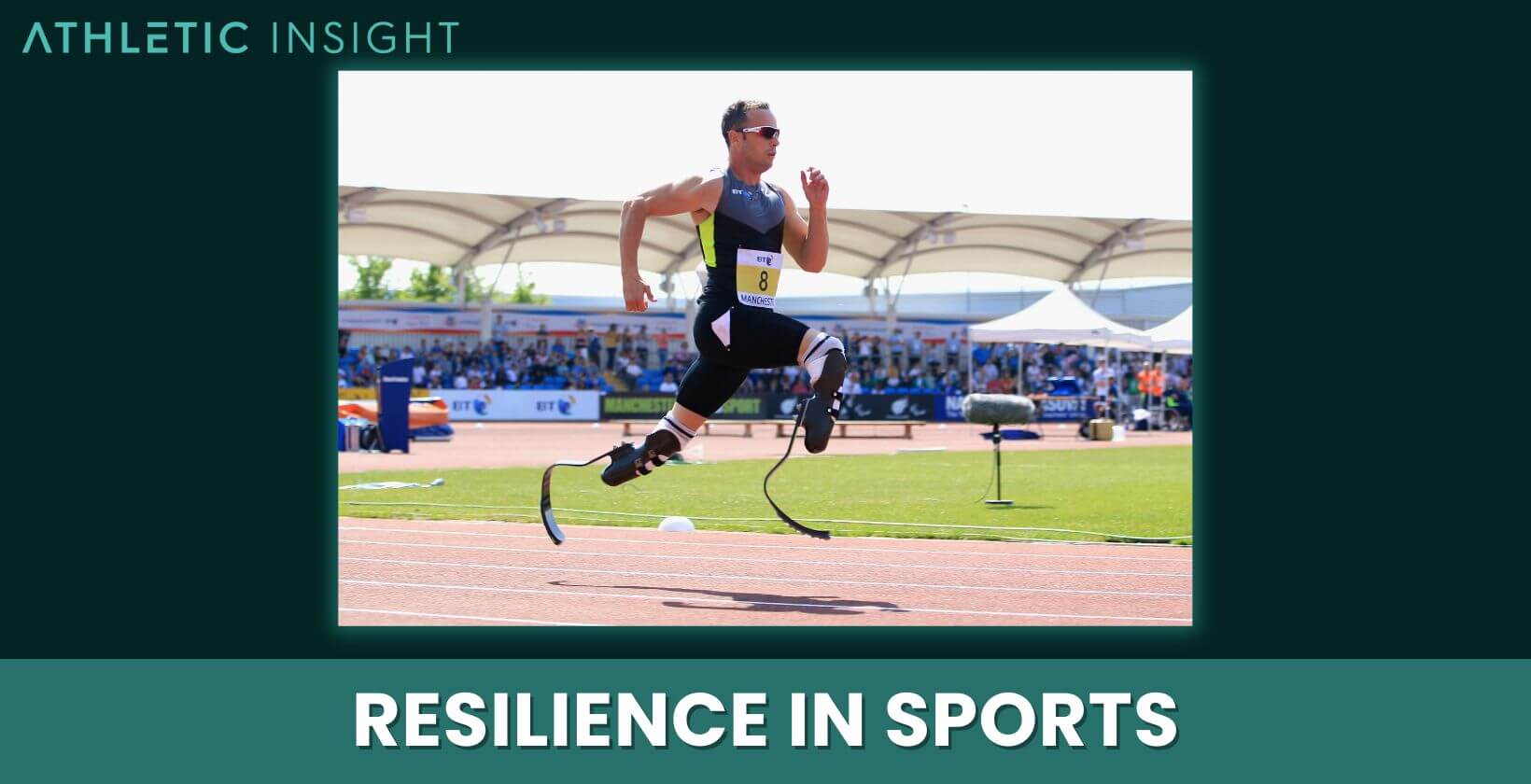
Imagine facing a tough opponent, losing the game, but still finding the strength to get back up and try again. That’s resilience in sports. It’s not just about physical endurance; it’s about mental toughness too.
This article will help you explore how athletes develop resilience and why it’s crucial for success. You’ll learn about strategies they use to overcome setbacks and stay motivated. Whether you’re an aspiring athlete or just curious, understanding resilience can inspire you to push through challenges in any area of life.
Key Takeaways
- Resilience in Sports: Resilience combines physical endurance and mental toughness, enabling athletes to recover quickly from setbacks like injuries or losses.
- Physical Endurance: Essential for maintaining high performance levels over extended periods; training like long-distance running and interval workouts boost stamina.
- Mental Toughness: Key for overcoming challenges; techniques such as visualization, positive self-talk, and mindfulness exercises enhance focus and reduce anxiety.
- Support Systems: Coaches, family, teammates, and professional staff provide crucial emotional support, guidance, and resources to foster resilience.
- Case Studies: Examples of resilient athletes like Michael Jordan and Serena Williams illustrate the importance of determination and perseverance in achieving success.
Understanding Resilience In Sports
Resilience in sports involves the capacity to recover quickly from difficulties. It’s crucial for athletes facing setbacks like injuries or losses. This resilience combines physical endurance and mental toughness, enabling sustained performance under pressure.
Physical Endurance
Physical endurance is vital for resilience. It allows athletes to maintain high performance levels over extended periods. For example, marathon runners train extensively to build stamina, which helps them endure long races without significant decline in speed or energy.
Mental Toughness
Mental toughness is equally important. It involves maintaining focus and determination even though challenges. Athletes develop this through practices like visualization and mindfulness exercises. These techniques help manage stress and improve concentration during competitions.
Strategies To Build Resilience
Athletes use various strategies to enhance resilience:
- Goal Setting: Establishing clear, achievable goals keeps motivation high.
- Positive Self-Talk: Encouraging oneself boosts confidence and reduces anxiety.
- Support Systems: Relying on coaches, teammates, and family provides emotional support.
Importance Of Resilience
Resilient athletes are more likely to succeed because they can adapt to changing circumstances and recover from setbacks efficiently. This adaptability is essential not just in sports but also in everyday life challenges.
By understanding these aspects of resilience, you can appreciate its significance in sports and apply similar principles to overcome obstacles in your own pursuits.
Psychological Aspects Of Resilience
Resilience in sports involves mental toughness and stress management. These psychological aspects are crucial for athletes to maintain peak performance.
Mental Toughness
Mental toughness is key for overcoming challenges. It includes focus, confidence, and perseverance. Athletes with high mental toughness stay determined during setbacks like injuries or losses. They use techniques such as visualization and positive self-talk to enhance their mental state. For example, they might visualize winning a game to boost confidence before a match. This ability helps them remain composed under pressure and perform consistently.
Stress Management
Stress management is essential for maintaining resilience in sports. Athletes face significant stress from competition, training, and personal expectations. Effective stress management strategies include mindfulness meditation, deep breathing exercises, and time management skills. Mindfulness helps athletes stay present-focused rather than worrying about past mistakes or future outcomes. Deep breathing exercises can reduce anxiety levels before competitions by calming the nervous system. Time management ensures that athletes balance training with rest periods to avoid burnout.
These psychological tools help athletes build resilience by managing both internal pressures and external demands effectively.
Physical Training For Resilience
Physical training is crucial for building resilience in sports. It enhances your endurance and helps you recover from injuries more effectively.
Endurance Training
Endurance training boosts your stamina, allowing you to perform at high levels over extended periods. Activities like long-distance running, cycling, and swimming improve cardiovascular health and muscle endurance. Incorporate interval training to increase aerobic capacity and speed. According to the American College of Sports Medicine, athletes should engage in at least 150 minutes of moderate-intensity exercise weekly. This regimen strengthens your heart, lungs, and muscles, making you more resilient during competitions.
Injury Recovery
Effective injury recovery ensures you return to peak performance quickly after setbacks. Implementing a structured rehabilitation program is essential for regaining strength and flexibility. Techniques such as physical therapy exercises, stretching routines, and low-impact activities like swimming aid recovery without causing further damage. The National Institutes of Health recommends using RICE (Rest, Ice, Compression, Elevation) immediately after an injury to reduce swelling and pain. Following these guidelines accelerates healing processes and minimizes downtime.
Role Of Coaches And Support Systems
Coaches and support systems play a pivotal role in fostering resilience in sports. They provide guidance, motivation, and resources essential for athletes to thrive.
Coaching Strategies
Effective coaching strategies are crucial for building resilience. Coaches develop personalized training plans tailored to individual athlete needs. These plans often include goal setting, skill development, and mental conditioning exercises. For instance, incorporating visualization techniques can help athletes prepare mentally for competitions. Also, coaches emphasize the importance of consistent feedback and constructive criticism to enhance performance. By fostering a positive learning environment, coaches enable athletes to overcome challenges and maintain high levels of motivation.
Support Networks
Support networks are vital for an athlete’s overall well-being and resilience. These networks typically consist of family members, friends, teammates, and professional staff like sports psychologists or nutritionists. Family members offer emotional support during tough times while teammates provide camaraderie and shared experiences that strengthen resolve. Professional staff contribute specialized knowledge that aids in physical recovery and mental health maintenance. Effective communication within these networks ensures that athletes receive comprehensive support tailored to their specific needs.
Case Studies Of Resilient Athletes
Famous Examples
Michael Jordan exemplifies resilience in sports. Known for his unmatched basketball career, he faced significant setbacks, including being cut from his high school team. Even though this, he trained rigorously and became a six-time NBA champion. Another example is Serena Williams. She overcame multiple injuries and personal challenges to win 23 Grand Slam titles. Her mental toughness and physical endurance are well-documented.
Lesser-Known Stories
Bethany Hamilton’s story stands out in the surfing world. After losing her arm in a shark attack at age 13, she returned to professional surfing within months. Her determination highlights exceptional resilience. Similarly, Derek Redmond’s perseverance during the 1992 Olympics is inspiring. He tore his hamstring mid-race but continued with assistance from his father, showcasing incredible mental strength and dedication to finish what he started.
Building Resilience In Young Athletes
Training Programs
Training programs play a crucial role in building resilience in young athletes. Structured routines that include a mix of strength training, endurance exercises, and flexibility workouts are essential. For example, incorporating activities like sprint intervals, weightlifting sessions, and yoga can help develop physical stamina and mental toughness. Ensure the program is age-appropriate to prevent injuries and promote steady progress.
Encouraging Mental Health
Encouraging mental health is vital for developing resilience in young athletes. Integrate practices such as mindfulness meditation and positive self-talk into their daily routines. These techniques enhance focus and reduce anxiety during competitions. Also, provide access to sports psychologists who can offer professional guidance on coping strategies for stress management and emotional regulation. This holistic approach ensures young athletes maintain both physical and mental well-being while pursuing their sports goals.
Resilience FAQs
What is resilience in sports?
Resilience in sports is about how athletes bounce back from tough situations, like losing a game, dealing with injuries, or facing setbacks. It’s about staying mentally tough, keeping a positive attitude, and not giving up, even when things get really hard. Athletes with resilience learn from challenges and use them to become stronger and better.
Why is resilience important for athletes?
Resilience is key for athletes because sports are full of ups and downs. Whether it’s losing a big match, struggling with performance, or even recovering from injury, resilience helps athletes keep going. It keeps them motivated, allows them to handle pressure better, and helps them focus on long-term success rather than short-term failures.
How do athletes build resilience?
Athletes build resilience by training their mind just as much as their body. This includes setting small, achievable goals, learning from mistakes, and practicing mindfulness or meditation to stay calm under pressure. Coaches often help by encouraging a positive mindset, offering support, and helping athletes focus on the process, not just the results.
Can resilience be learned or is it something you’re born with?
Resilience can definitely be learned! While some people might naturally have more resilience, most athletes develop it over time through their experiences. Facing challenges, setbacks, and even failures teaches them how to adapt, recover, and keep pushing forward. The key is to keep trying and not to give up.
Which athlete has been the most resilient?
This is a tough question because many athletes have shown incredible resilience. One example is Serena Williams. She’s faced injuries, personal challenges, and even criticism, yet she’s always come back stronger. Another example is Michael Jordan, who was cut from his high school basketball team but used that setback to fuel his incredible career.
How does resilience help athletes recover from injury?
Resilience helps athletes recover from injuries by keeping them mentally strong and focused on the bigger picture. Instead of giving up or feeling defeated, resilient athletes stay determined, work hard in rehab, and remain patient with their progress. They understand that setbacks are part of the journey, not the end of it.
How can young athletes develop resilience?
Young athletes can develop resilience by facing challenges head-on and learning from their mistakes. It’s important to keep a positive mindset, focus on improvement, and not get too down after a loss. Support from coaches, parents, and teammates can also make a big difference in helping them stay confident and motivated.